Chilliwack
Sump Pump Installation in Chilliwack, BC
Battery-backup sump pump systems designed for BC's heavy rainfall — protection that works even during power outages.
- Licensed & Insured
- Free On-Site Inspections
- Fraser Valley–Based Team
- Fast Response Time
- No-Obligation Written Estimates
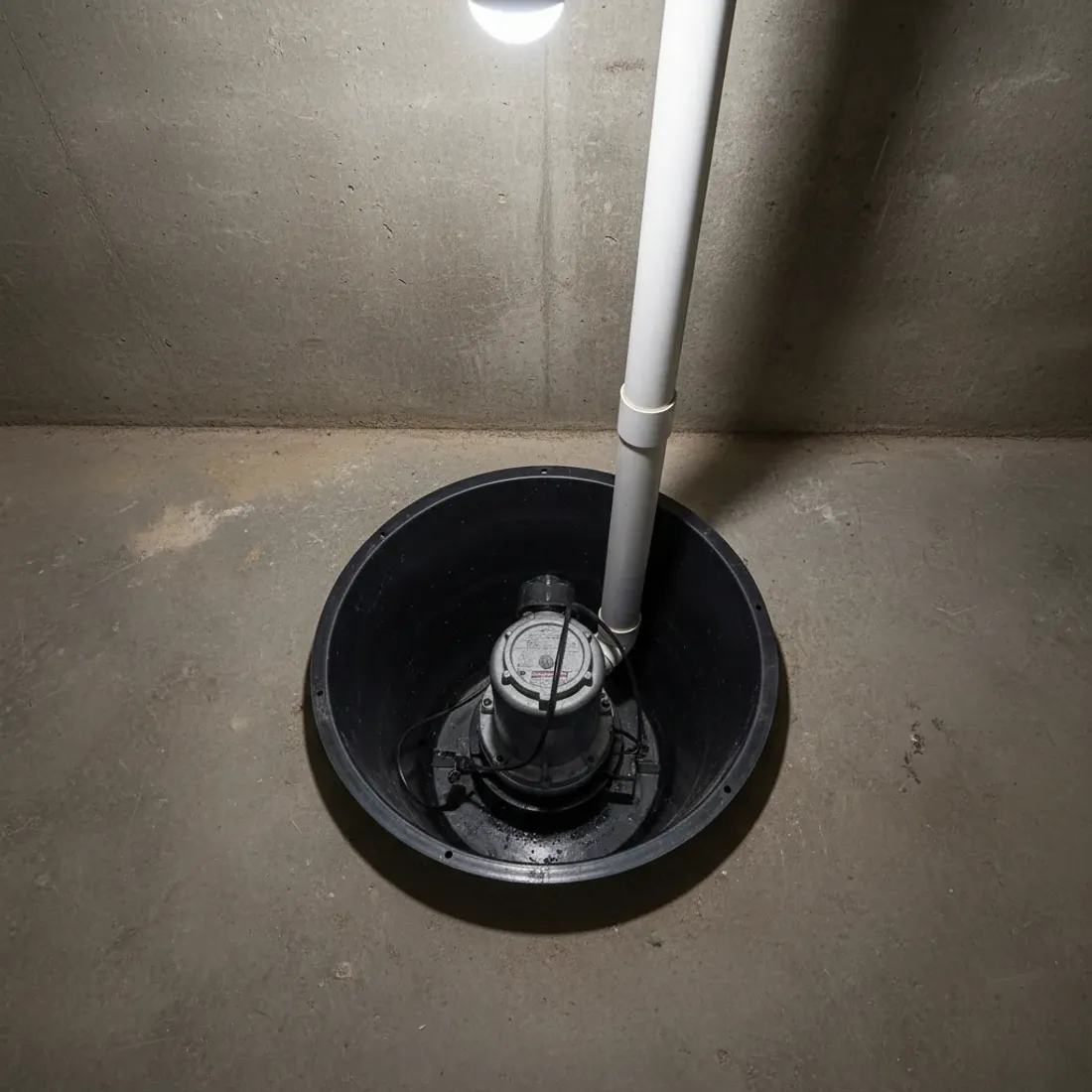
Chilliwack Foundation Repair provides professional sump pump installation services throughout Chilliwack and the surrounding area. Our experienced technicians use proven techniques and commercial-grade materials to deliver lasting results, backed by our no-obligation written estimates.
Battery-backup sump pump systems designed for BC's heavy rainfall — protection that works even during power outages. Whether you're dealing with an urgent problem or want to address early warning signs before they become costly repairs, Chilliwack Foundation Repair is available 24/7 to help protect your home.
What You Need to Know
Sump Pump Installation in Chilliwack
How a Sump Pump System Works
A sump pump sits in a pit, called a sump basin, set into the lowest point of your basement floor. Groundwater directed there by your interior drain tile or foundation drainage collects in the pit, and once it reaches a set level, a float switch triggers the pump to push that water out through a discharge pipe, away from the foundation, before it can rise high enough to flood the floor.
Most basements use a submersible pump, sealed and installed directly inside the pit, since submersible units run quieter and handle debris better than the pedestal-style pumps common in older installations. The discharge line runs up and out through the rim joist or foundation wall, terminating well away from the house so the water doesn't drain back toward the foundation it was pumped away from.
A sump pump only works as well as the system feeding it. If your interior drain tile or grading isn't directing water to the pit efficiently, the pump can be sized correctly and still fall behind during a heavy rain event.
Primary vs Battery Backup
A primary sump pump runs on household power, which is exactly the problem: BC's heaviest rain events, the atmospheric river storms that hit the Fraser Valley every fall and winter, are also the storms most likely to knock out power. A pump that only runs on grid power stops working at precisely the moment your basement needs it most.
A battery backup system sits alongside the primary pump and takes over automatically if power drops or the primary pump fails for any other reason, running on a dedicated battery rather than the home's electrical panel. Runtime depends on battery capacity and how often the pump cycles, but most backup systems provide somewhere between 4 and 12 hours of protection on a full charge, enough to cover a typical storm-related outage. Batteries need replacing roughly every 3 to 5 years to stay reliable.
Battery backup isn't the right fit for every basement. If your area rarely sees heavy groundwater and your primary pump is well-maintained, it may be more system than you need. We'll walk through your storm and power-outage history for the property before recommending one.
Sizing Your Sump Pump
Sump pump capacity is measured in horsepower and gallons per minute, and undersizing is one of the most common mistakes we see in existing installations. A 1/3 hp pump moves roughly 40 gallons per minute at a moderate lift and is enough for most average-sized basements with light to moderate water flow. A 1/2 hp pump handles 50 to 60 gallons per minute, and is the better choice for basements with a history of heavier water, a discharge line with more than 10 feet of vertical lift, or a larger drainage footprint feeding into the pit.
The horsepower rating alone doesn't tell the whole story. What matters is how many gallons per hour the pump moves at your specific discharge height, since a longer or steeper discharge run reduces effective flow compared to the pump's rated capacity. We size the pump to your basement's drainage load and discharge distance during the inspection, not off a generic recommendation.
Installation Process and Cost
Installing a sump pump starts with cutting and excavating a pit in the lowest point of the basement floor, typically 24 to 30 inches deep, and setting a perforated basin to let groundwater in while keeping soil out. The pump goes into the basin, the discharge line is run out through the rim joist or wall, and the float switch and check valve are tested before the concrete around the pit is patched.
A standard sump pump installation, including the pit and basin, generally runs $500 to $1,500 in labour and materials, with most straightforward jobs landing between $600 and $1,500. If you're adding battery backup to an existing system, that typically adds $400 to $1,500 depending on the battery capacity and runtime you want.
Most installations take a single day. We test the full system, primary pump, discharge line, and backup if installed, before we leave, and give you a written quote covering pit excavation, pump, and backup as separate line items so you know exactly what you're paying for.
Why Choose Us
Why Choose CFR for Sump Pump Installation?
- Licensed & Insured
- Free On-Site Inspections
- Fraser Valley–Based Team
- Fast Response Time
- No-Obligation Written Estimates
- Serving Chilliwack and 12 surrounding communities
FAQ
Common Questions About Sump Pump Installation
Is foundation repair covered by home insurance in BC?
Generally no. Insurance covers sudden accidental damage (burst pipe, earthquake); gradual soil movement and concrete aging are maintenance items. Some policies cover resulting water damage from a covered event. We provide a detailed written scope of work to support any insurance inquiry.
Do you serve areas outside Chilliwack?
Yes — we cover the full Fraser Valley including Abbotsford, Mission, Hope, Agassiz, Sardis, Vedder Crossing, and surrounding communities. Call to confirm availability in your area.
How much does sump pump installation cost?
A standard sump pump installation, including the pit and basin, generally runs $500–$1,500 in labour and materials. Adding battery backup to an existing system typically adds $400–$1,500 depending on the battery capacity and runtime you want. We quote pit excavation, pump, and backup as separate line items so you know exactly what you're paying for.
Do I need a battery backup sump pump in Chilliwack?
BC's heaviest rain events, the atmospheric river storms that hit the Fraser Valley every fall and winter, are also the storms most likely to knock out power. A primary sump pump that only runs on grid power stops working at exactly the moment your basement needs it most. If your area sees regular heavy groundwater, battery backup is worth having; if your primary pump is well-maintained and groundwater is rarely an issue, it may be more system than you need. We'll walk through your property's storm and outage history before recommending one.
What size sump pump do I need?
A 1/3 hp pump moves roughly 40 gallons per minute and is enough for most average-sized basements with light to moderate water flow. A 1/2 hp pump handles 50–60 gallons per minute and suits basements with a history of heavier water or a discharge line with more than 10 feet of vertical lift. We size the pump to your basement's drainage load and discharge distance during the inspection rather than off a generic recommendation.
How long does sump pump installation take?
Most installations take a single day: cutting and excavating the pit, setting the basin, installing the pump, running the discharge line, and testing the float switch and check valve. We test the full system, primary pump and backup if installed, before we leave.
How often does a sump pump battery need replacing?
Roughly every 3 to 5 years to stay reliable. Most backup systems provide 4 to 12 hours of runtime on a full charge depending on capacity and how often the pump cycles, enough to cover a typical storm-related outage. A battery past its service life is one of the more common reasons a backup system fails right when it's needed.
How long does a sump pump last, and do I actually need one?
A quality sump pump typically lasts 7 to 10 years with normal use. Whether you need one depends on your basement's water history: if you've never had water intrusion and your grading and drainage are solid, you may not need one at all. If you've had even minor seepage, or your basement sits below the water table, a sump pump is cheap insurance against a much more expensive flood. We'll give you a straight answer after seeing your specific situation rather than a default recommendation.
Related Services
You Might Also Need
Interior Drain System
Perimeter weeping tile and sump pump installation for basements with chronic water infiltration — the permanent solution.
Learn More →Crawl Space Encapsulation & Repair
Encapsulation, vapour barriers, and moisture control to protect your crawl space from Fraser Valley humidity and mould.
Learn More →Sump Pump Installation Near You
We provide sump pump installation across the Fraser Valley. Select your area for local information:
Don't see your city? — we may still be able to help.
Contact Us
Get Your Free Estimate
Tell us about your project and we'll be in touch to schedule a free on-site assessment.
Prefer to call?
24/7 Emergency Service Available
-
Business Hours
Mon–Sat 7am–6pm
-
Service Area
Chilliwack, Sardis, Promontory Heights, Vedder Crossing & surrounding BC communities
- Licensed & Insured
- Free On-Site Inspections
- Fraser Valley–Based Team
- Fast Response Time
- No-Obligation Written Estimates